Sharon Cutwell - Driving Precision in Hydraulics

Keith Brown • January 16, 2026

How Sharon-Cutwell Tooling Elevates Performance
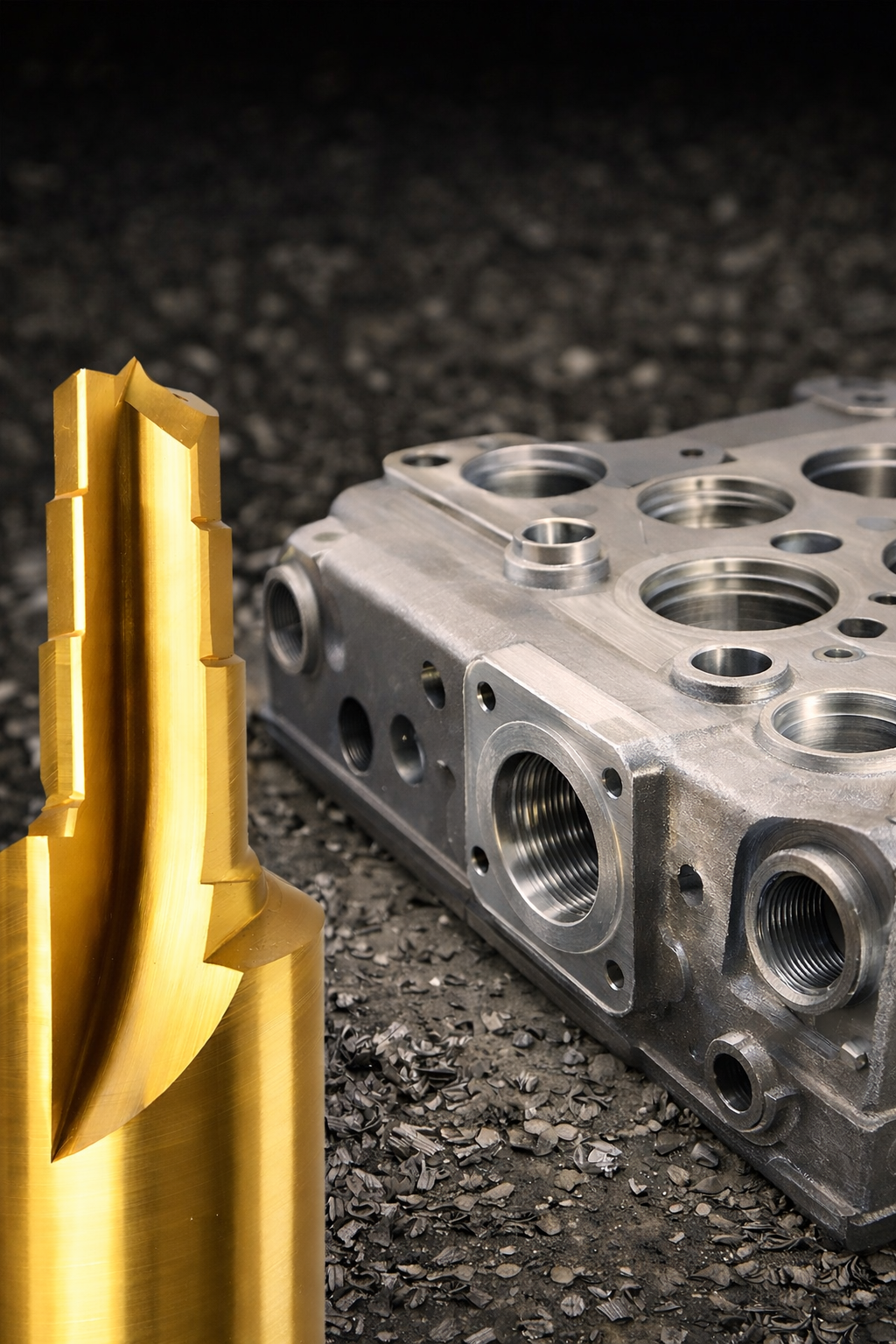
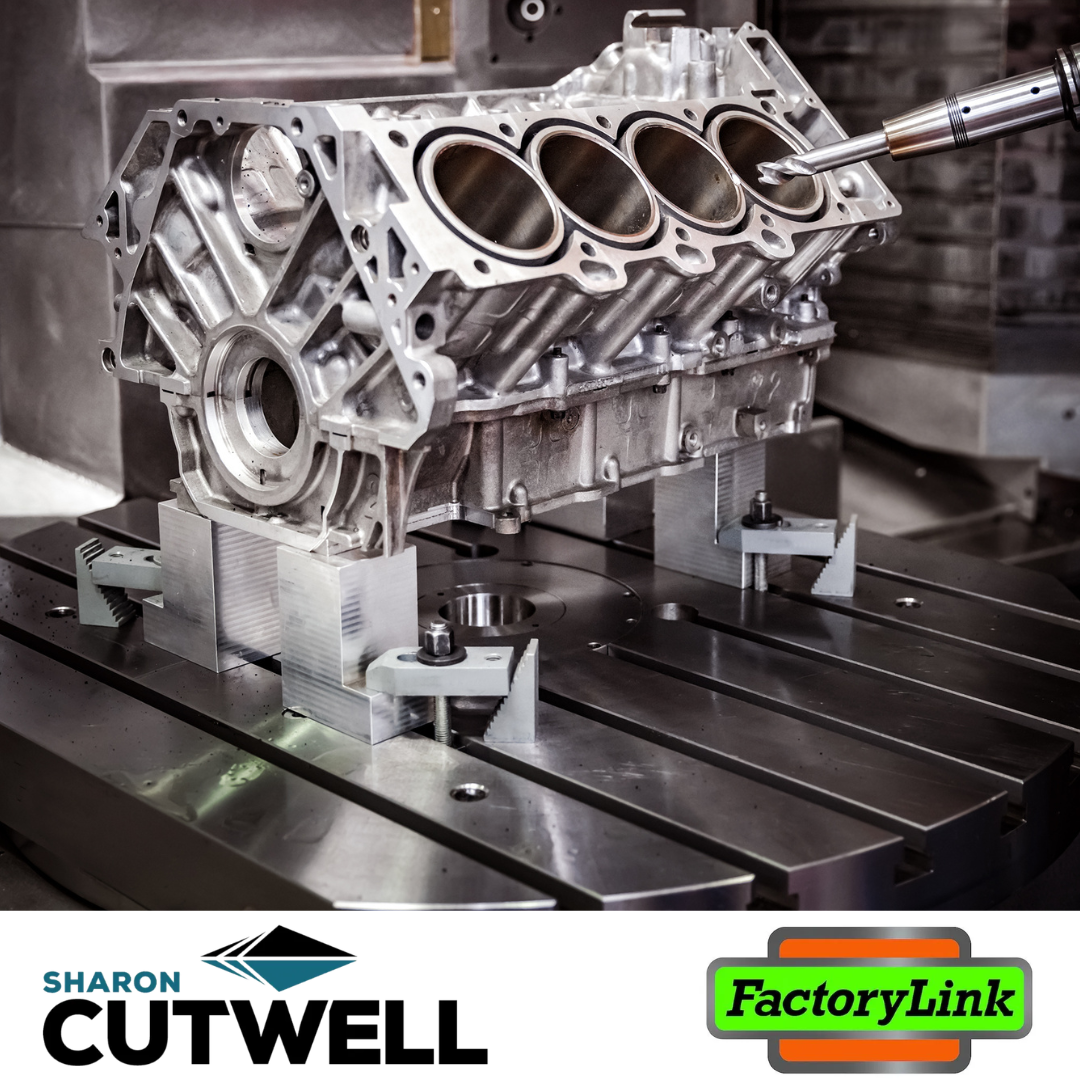
Manufacturers in the hydraulics industry face demanding requirements — extremely tight tolerances, smooth surface finishes, and highly repeatable processes. When your components are powering motion systems, fluid control valves, cylinders, and manifold assemblies, there’s very little room for error.


That’s where Sharon-Cutwell’s purpose-built tooling for hydraulics comes in. With engineered solutions tailored to hydraulic manifolds and flow paths, they help keep production efficient, cost-effective, and reliable. Below we dive into how their tools make the difference.


What is Hydraulic ?


Hydraulics power the backbone of modern industry — from construction equipment and aerospace systems to precision machining and manufacturing. By using pressurized fluid, hydraulic systems deliver the strength to lift, press, shape, and move with accuracy and repeatability. This is why precision tooling — like Sharon-Cutwell’s custom reamers, drills, and form cutters — is so essential: even the smallest imperfection in a hydraulic component can impact flow, pressure, and overall system performance.


Why Specialized Tools Matter in Hydraulic Manufacturing

Hydraulic systems rely on precisely machined internal passages, ports, and cavities through which fluid flows under high pressure. If manufacturing deviates even slightly—rough surfaces, dimensional error, or tool chatter—you can get:


  • Pressure Loss


  • Leakage


  • Inconsistent Flow Dynamics


  • Failures or Premature Wear


Therefore, tooling for this application must deliver both accuracy and finish, while being robust over long runs.


The Sharon-Cutwell Difference


Engineering & R&D Investment

Their in-house development ensures continuous improvements in tool geometries, coatings, and process knowledge. 


Quality & Reliability

Their tools are built to deliver consistently across runs, minimizing downtime and rework. 


Customer Service & Support

From quoting to design consultation, they emphasize helping clients manage custom tool inventories without disruptions. 


Application Fit

Rather than a one-size-fits-all, they offer options tailored to the job: roughers, finishers, solid or brazed, optimized for different workpiece materials.


Specifying Hydraulic Tooling

To get the most out of these specialized tools, manufacturers ought to:


  • Define functional tolerances clearly — which surfaces need tight tolerances, and which can be more relaxed


  • Specify required surface finish (Ra, RMS) for flow-critical surfaces


  • Communicate substrate materials (alloy, hardness, casting vs. bar)


  • Share anticipated production volumes or run lengths


  • Collaborate early with your tooling supplier in design and simulation stages


This level of transparency helps the tooling partner optimize geometry, coating, and machining strategy.


Learn how Sharon-Cutwell can optimise your workflow


By Keith Brown March 27, 2026
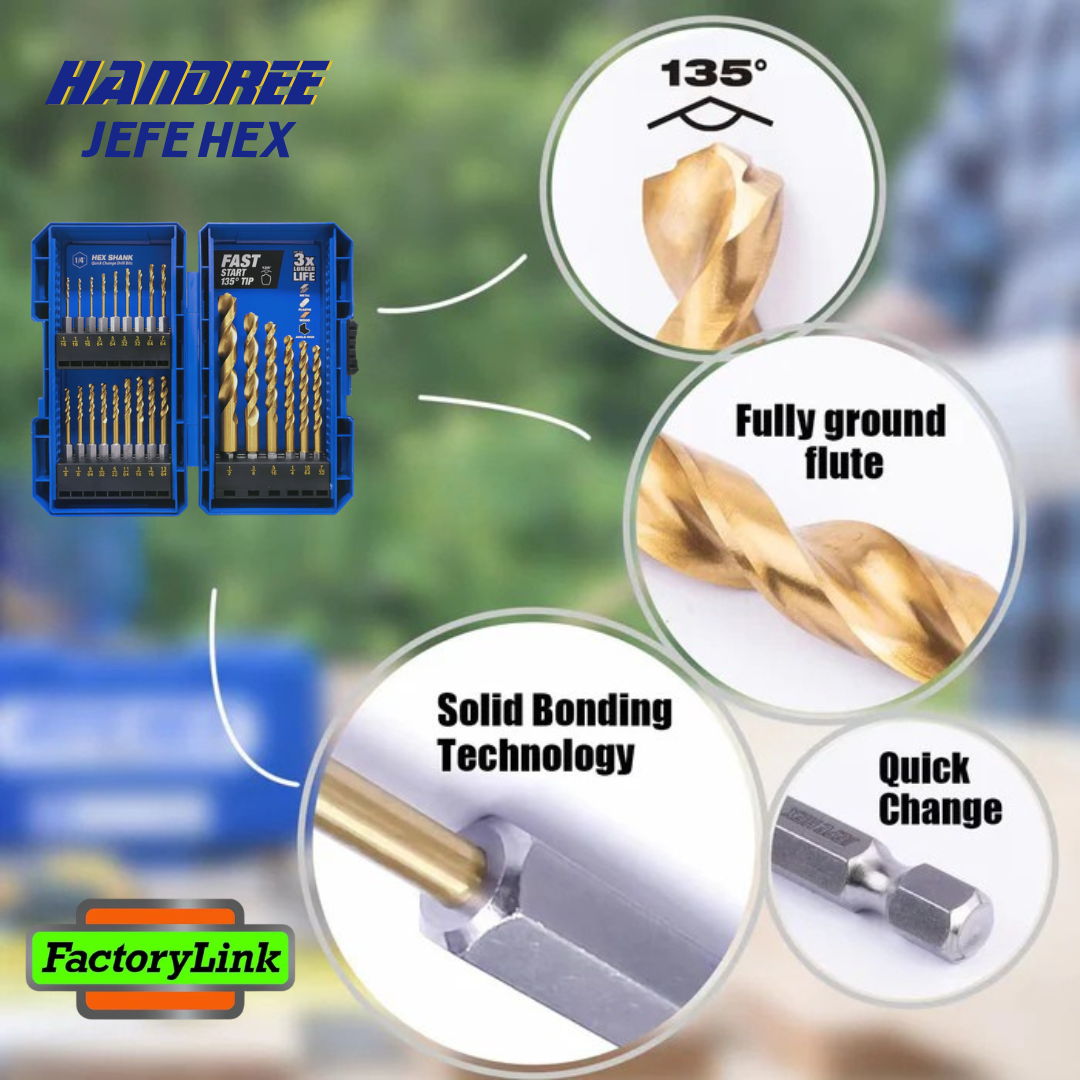
Hex Shank Drill Bits: Improving Torque Transfer in Modern Hand Tools
By Keith Brown March 20, 2026
Experienced operators know machining instability rarely starts at the cutting edge. It starts in the sump. Foam creeping into high-pressure lines. Heat building at the tool interface. Bacteria breaking down fluid integrity. Corrosion forming where it shouldn’t. When coolant chemistry falls out of balance, performance doesn’t collapse all at once — it slowly drifts. Tool life shortens. Surface finish changes. Operators compensate. Downtime increases. Cooling lubricants must simultaneously remove heat, provide boundary and extreme-pressure lubrication, flush chips, resist microbiological growth, prevent corrosion, control foam, and remain stable in both hard and soft water conditions. Cadillac Oil’s Microcool line is engineered to maintain that balance across materials, duty levels, and machine conditions. The Three Microcool Technologies Synthetic: - High thermal and oxidation stability - Rapid heat dissipation - Oil-rejecting, clean-running chemistry - Low misting and reduced smoke - Enhanced wetting agents for reduced carry-out - Transparent formulation for operator visibility Semi-Synthetic: - Balanced extreme pressure and boundary lubrication - Strong detergency and surface finish capability - Defoaming performance for low and high pressure systems - Extended sump life with microbiological protection - Stable in varying water hardness Soluble Oil: - Premium base oils with advanced emulsion packages - High lubricity for demanding applications - Bio-resistant components for sump longevity - Excellent corrosion protection - Stable emulsions in hard and soft water Why the Chemistry Matters Modern CNC systems operate at higher spindle speeds, feed rates, and often high-pressure coolant delivery. Coolant must maintain film strength under load, prevent thermal shock, control aeration, resist microbial breakdown, and maintain emulsion stability across water conditions. If any of those fail, the result is reduced tool life, inconsistent finishes, and reactive maintenance. Microcool fluids are formulated to maintain stability under those variables across extended production cycles. Industry Applications Automotive Manufacturing – Controls heat and foam under aggressive feeds and continuous production. Aerospace – Supports heat management and corrosion protection for tight-tolerance alloys. General & Heavy Industry – Maintains stability across mixed substrates and variable water quality. The Result With Microcool: - Tool life extends under load - Surface finishes remain consistent - Sump life increases - Waste streams decrease - Machines run cleaner Cutting tools remove material. Coolant chemistry protects the process.  Learn How Cadillac Oil Co. can optimise your machining
By Keith Brown March 13, 2026
And Why Other Industries Follow the Same Path